
Three digits on the bit — 517, 637, 217 — define the formation it is built for, the cutting structure it carries and how its bearing is protected. Misread them and the bit either stops making hole or comes out worn flat. Read them correctly and you cut cost per metre without changing anything else on the rig.
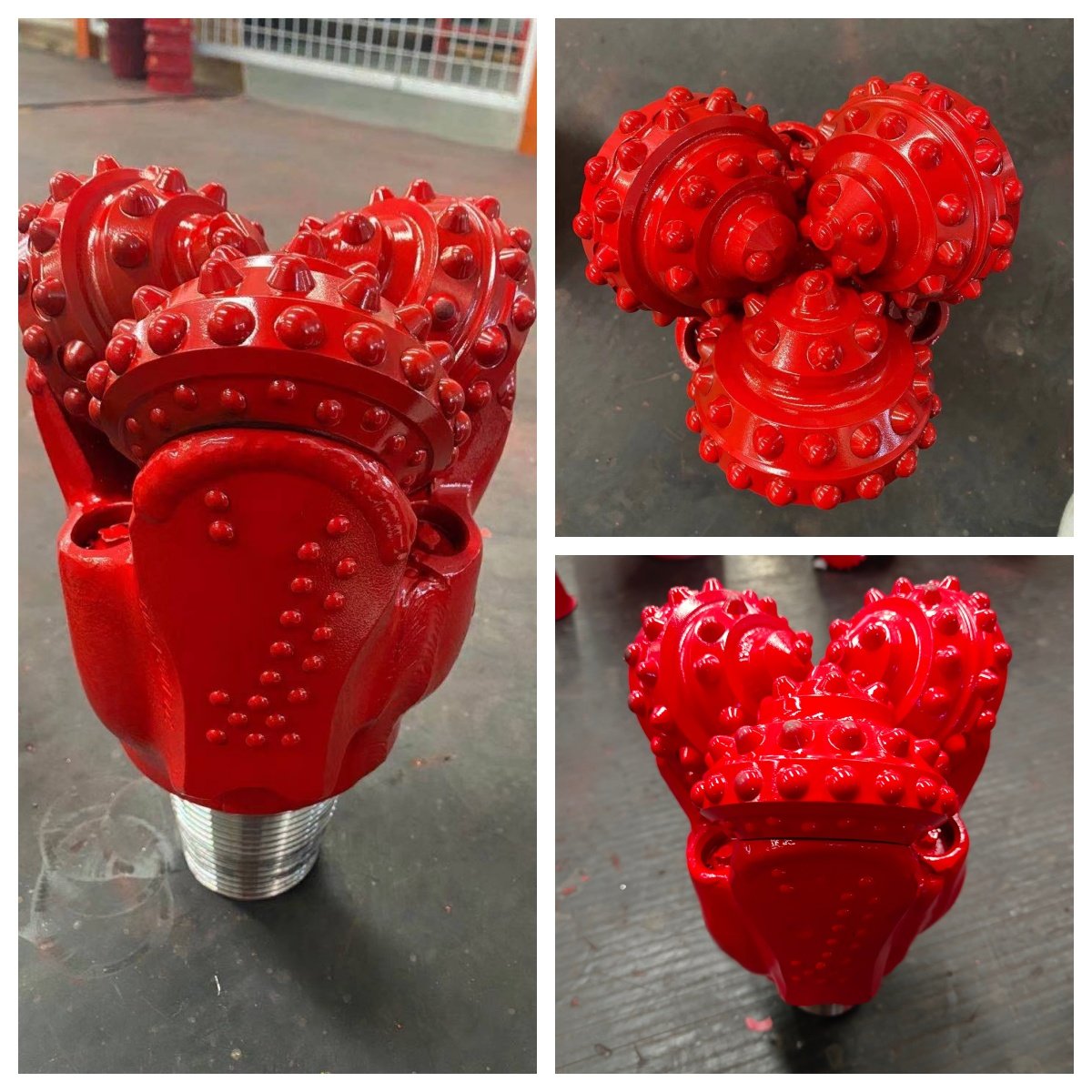
The three digits, decoded
| Digit | Defines | Range |
|---|---|---|
| 1st | Formation hardness | 1 (very soft) → 8 (extremely hard) |
| 2nd | Cutting structure | 1–4 milled steel teeth · 5–8 tungsten carbide inserts |
| 3rd | Bearing and gauge protection | 1–3 open · 4–6 sealed roller · 7–9 sealed journal |
A 517 is therefore a medium-hard formation bit with inserts, sealed roller bearing and gauge protection. A 217 is a soft-to-medium bit with milled teeth. They are not interchangeable, however similar they look in a photograph.
Matching the code to the ground
| IADC | Structure | Where it earns its price |
|---|---|---|
| 111 | Long milled teeth | Clay, soft shale — top holes |
| 217 | Short milled teeth | Soft to medium limestone, blast holes |
| 337 | Short milled teeth, gauge protected | Medium ground, quarry and mining |
| 517 | Chisel inserts | Hard limestone, dolomite |
| 637 | Conical inserts | Abrasive hard rock, geothermal |
| 737 | Conical inserts, heavy gauge | Very hard rock, deep holes |
For mixed ground — soft overburden above hard limestone, common in water wells — run one step harder than the dominant soft layer. You lose some speed in the soft section; you keep the bit alive to reach the pay zone.
The third digit decides depth
The cutting structure gets the attention; the bearing decides whether the bit completes the hole. Open bearings are economical in shallow holes with clean mud or air. Past a few hundred metres, or whenever the hole is making dust on air, sealed or journal bearings are the difference between one bit and three.
Weight on bit and rotary speed matter as much as the code. A 637 run at the parameters you used for a 217 will fail in a shift — the bit was correct, the parameters were not.
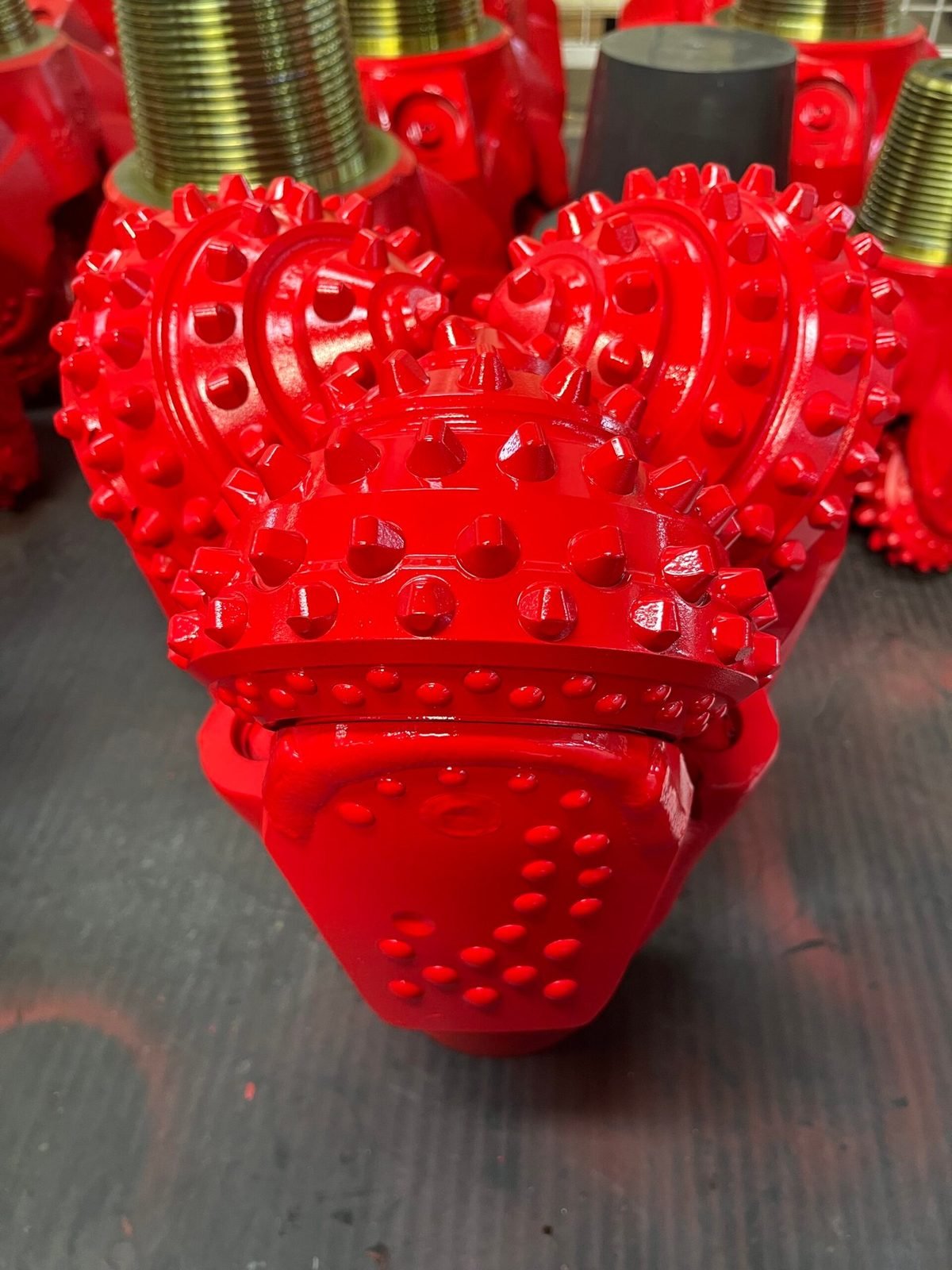
What to send for a quote
Four details are enough for us to specify and price correctly:
- Hole diameter
- Formation type and approximate hardness
- Depth, and whether you drill with air or mud
- Rig model and drill string connection
We manufacture tricone bits from 3 7/8″ to 26″ in both TCI and steel tooth, and quote against your formation rather than the code you ran last time. If the code you have been using is not the right one, we will say so.
Request a quote — reply within 6 hours on working days.
Need Help Choosing?
Send your hole size, formation and rig details — we reply within 6 hours on working days.
Read More
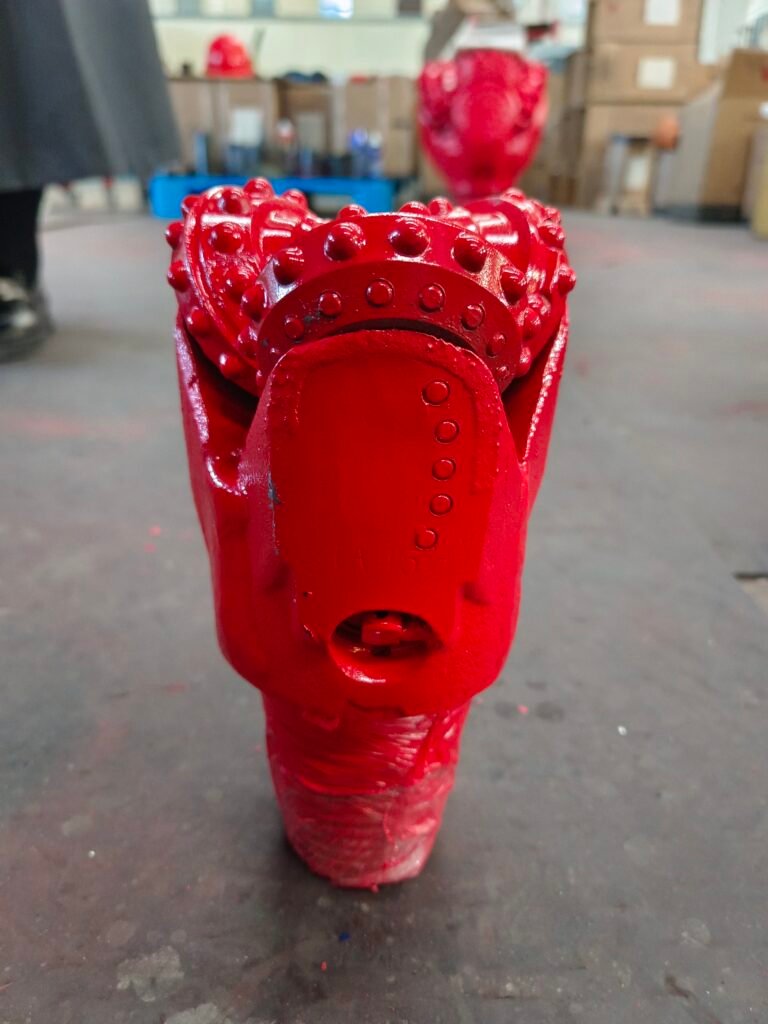
Why Tricone Bit Bearings Fail (and How to Prevent It)
Most tricone bits fail at the bearing, not the teeth. Four failure modes, what the pulled bit tells you, and t...
Read More →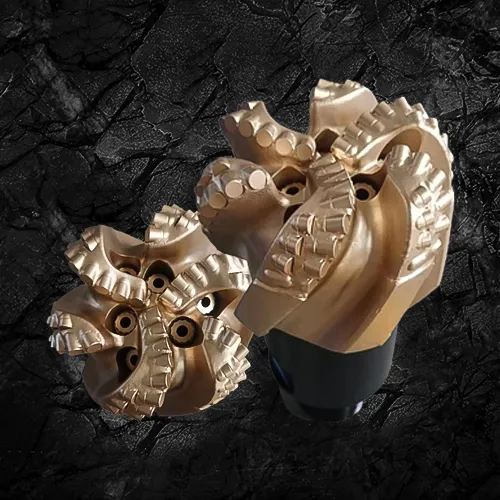
PDC vs Tricone Bits: Which One Should You Run?
PDC cuts faster, tricone survives tougher ground. A practical comparison of cutting action, cost per metre and...
Read More →
Gauge Wear and Under-Size Holes: Causes and Fixes
When a bit loses gauge the hole loses diameter, and the casing pays for it. Causes, measurement, prevention an...
Read More →