
Practical notes on bit selection, drilling parameters and tool care, written by the EnSheng Bit factory team.
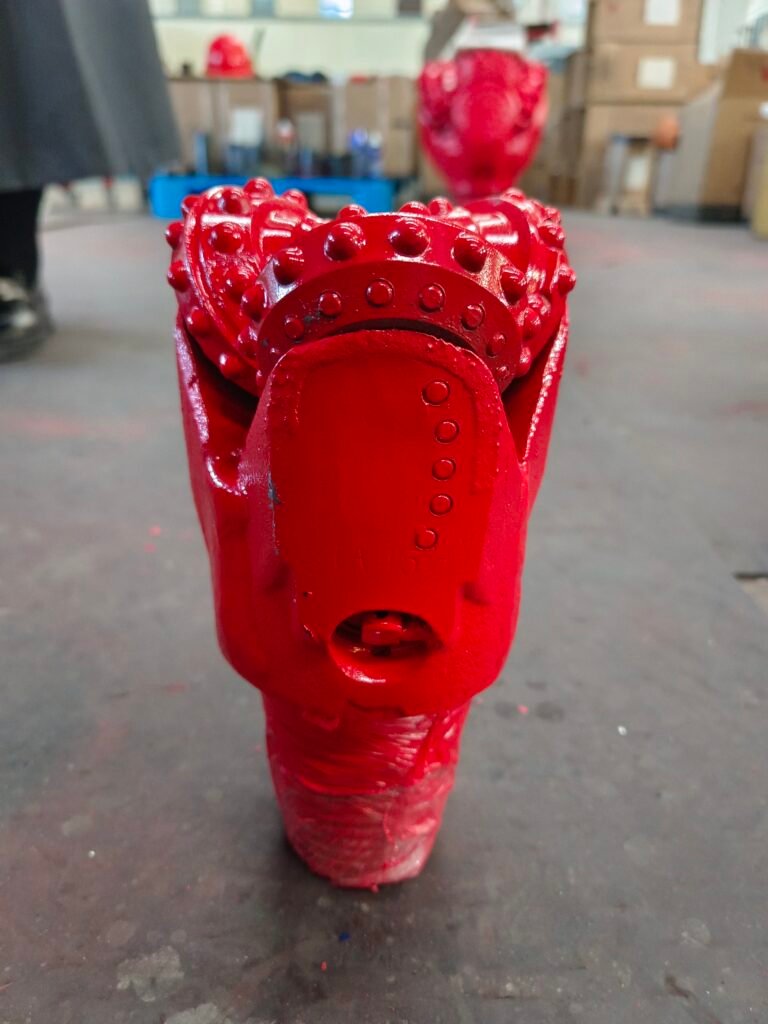
Why Tricone Bit Bearings Fail (and How to Prevent It)
Most tricone bits fail at the bearing, not the teeth. Four failure modes, what the pulled bit tells you, and the prevention checklist.
Read Full Article →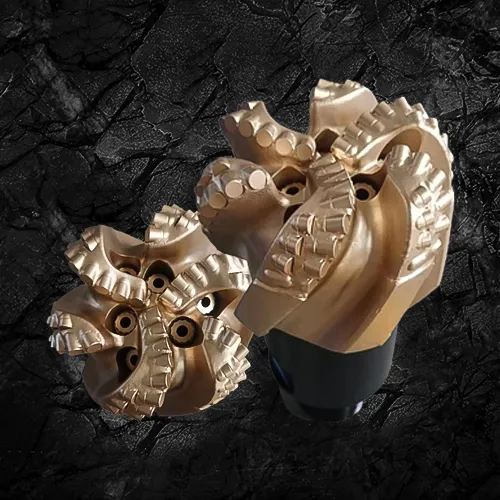
PDC vs Tricone Bits: Which One Should You Run?
PDC cuts faster, tricone survives tougher ground. A practical comparison of cutting action, cost per metre and where each bit fails.
Read Full Article →
How to Choose the Right IADC Code for Tricone Bits
IADC codes define formation, cutting structure and bearing. Read the three digits correctly and spec the right tricone bit for your ground.
Read Full Article →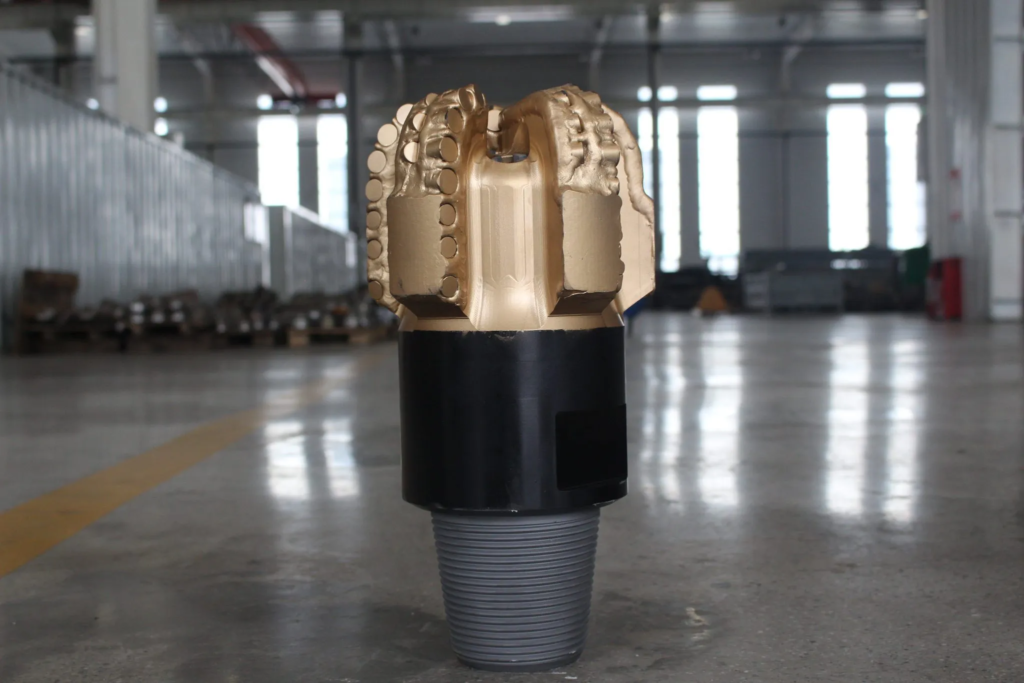
Gauge Wear and Under-Size Holes: Causes and Fixes
When a bit loses gauge the hole loses diameter, and the casing pays for it. Causes, measurement, prevention and when to pull the bit.
Read Full Article →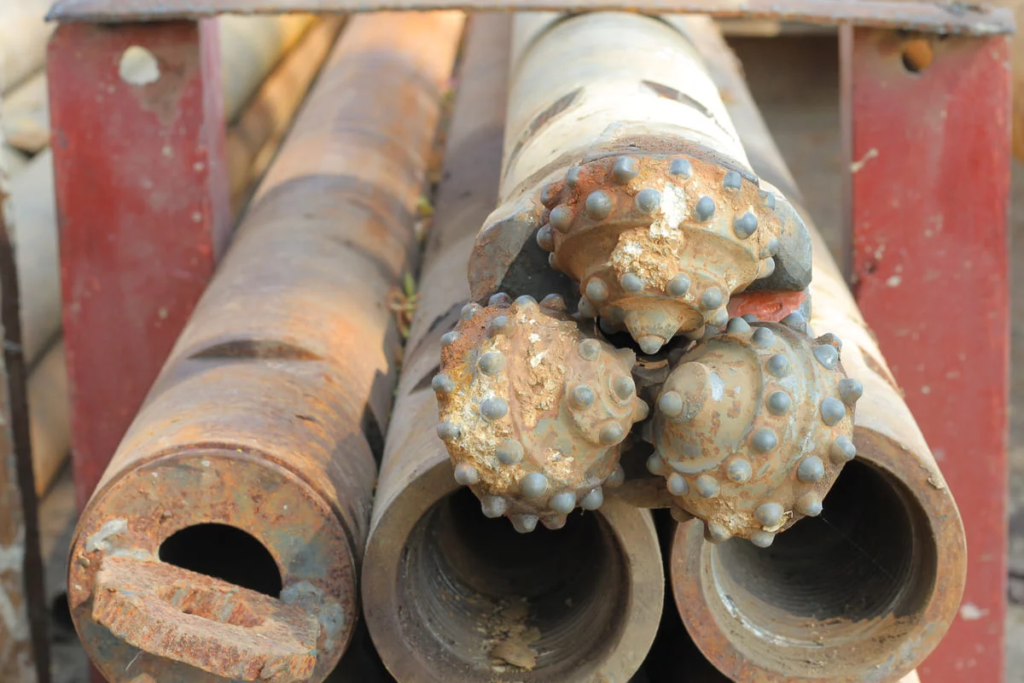
Water Well Bit Selection by Formation: A Practical Table
A formation-by-formation guide to water well bits: drag bits, steel tooth and TCI tricone, PDC and DTH, with IADC codes and drilling notes.
Read Full Article →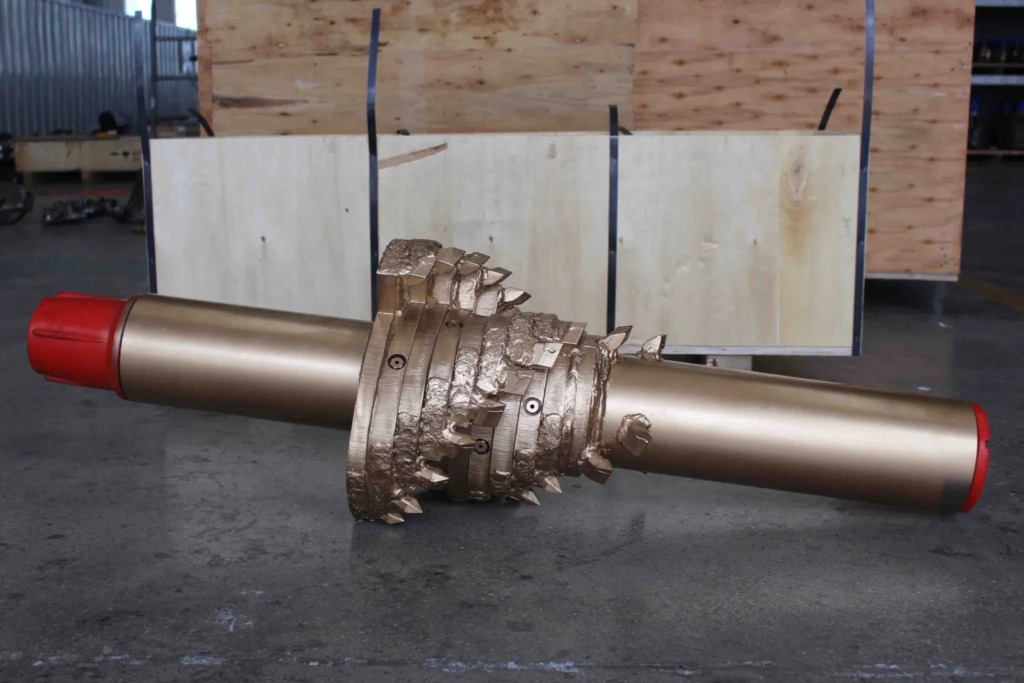
HDD Reamer Selection: Barrel, Fly Cutter, Fluted or Stack Plate
Choosing a back reamer by ground, diameter and pullback: barrel, fly cutter, fluted, stack plate and PDC hole openers compared.
Read Full Article →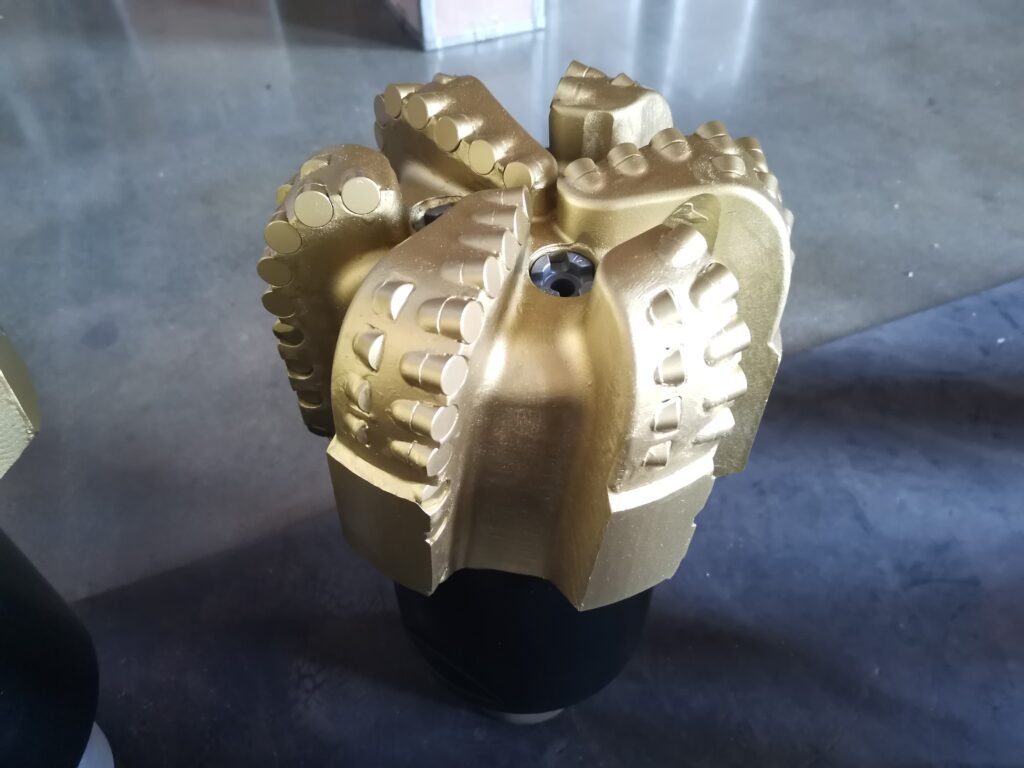
Bit Hydraulics: Sizing Nozzles for PDC and Tricone
TFA, HSI and nozzle velocity decide whether cuttings leave the hole or ball the bit. How to size nozzles for PDC and tricone bits.
Read Full Article →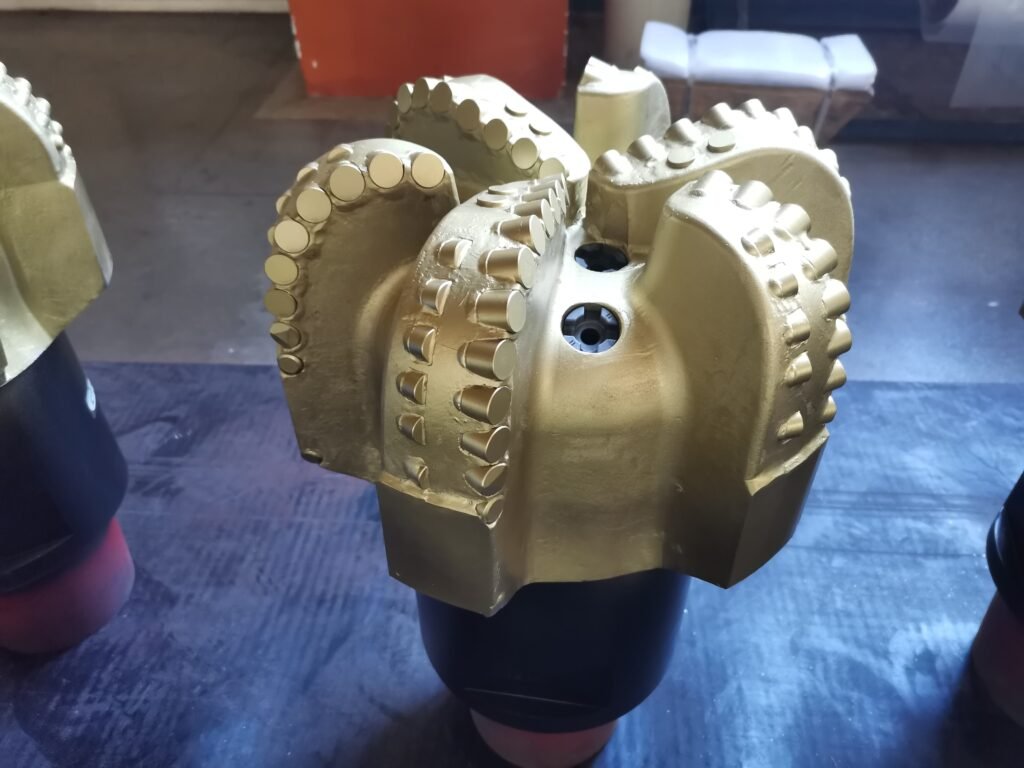
Matrix vs Steel Body PDC Bits: Which Survives Your Ground?
Matrix resists erosion, steel absorbs impact. A practical comparison of PDC bit bodies, repairability and where each one pays off.
Read Full Article →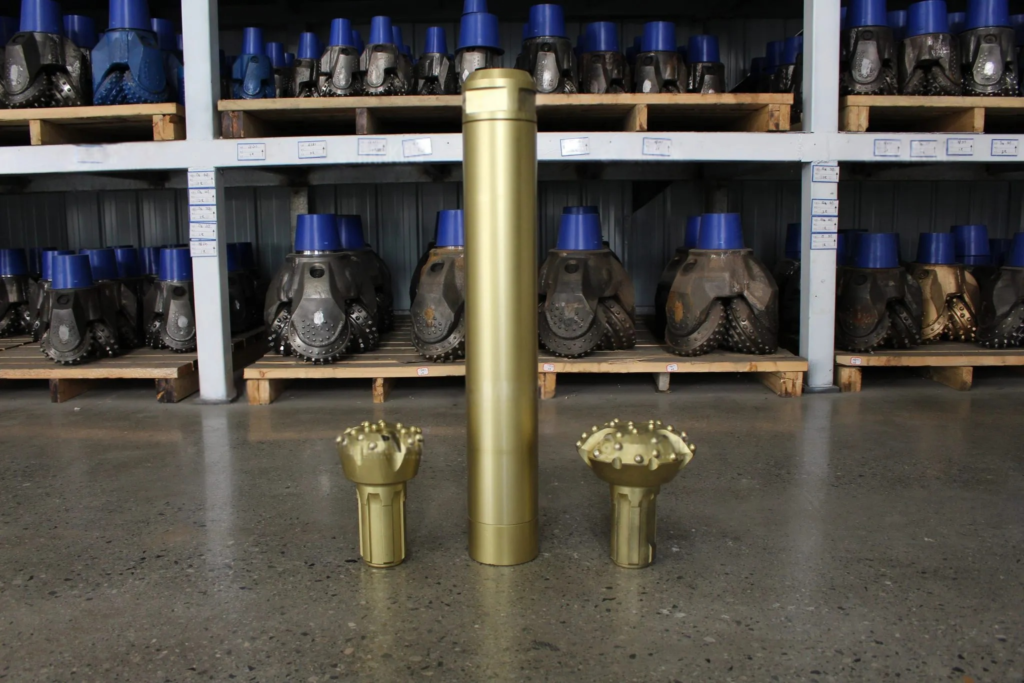
DTH Bit Selection: Match Button Bits to Air and Rock
Match a DTH bit to your compressor, hole size and rock: air pressure, button shape, face design and the mistakes that cost metres.
Read Full Article →