
A PDC bit and a tricone bit cut rock in completely different ways. Picking the wrong one rarely fails the hole outright — it just makes it slower and more expensive. The decision comes down to three things: what the ground is made of, how deep you are going and what your rig can deliver.
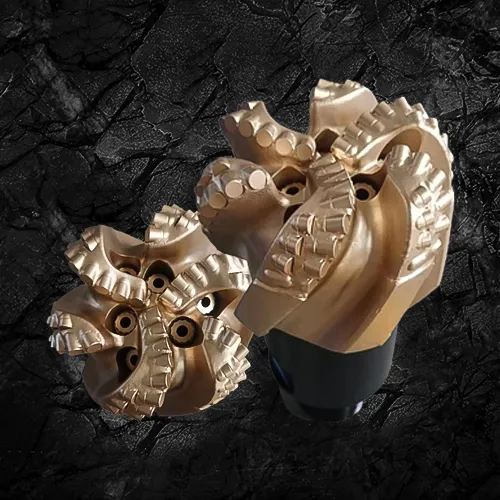
How the two differ
| PDC | Tricone | |
|---|---|---|
| Cutting action | Shears the rock with fixed diamond cutters | Crushes and grinds with rotating cones |
| Best ground | Homogeneous, medium to hard, non-abrasive | Interbedded, abrasive, broken or very hard |
| Rate of penetration | Two to four times faster where it suits | Steady, less sensitive to stringers |
| Cost per bit | Higher | Lower |
| Failure mode | Cutter damage on impact or in chert | Bearing and tooth wear over time |
Where PDC wins
PDC bits are the default in shale, sandstone, limestone and other uniform formations. They cut fast, hold gauge well and, because there are no moving parts, they do not lose a cone when the bearing goes. In water well work on sedimentary rock, a PDC bit will normally out-drill a tricone by a wide margin on cost per metre.
The exception is impact. PDC cutters are hard but brittle: hitting chert, pyrite nodules or broken ground at speed will chip them, and once the blades are damaged the bit stops making hole quickly.
Where tricone wins
Tricone bits handle what PDC cannot: interbedded formations, hard abrasive rock, and holes where the ground changes every few metres. Roller cones tolerate impact, and a worn tricone keeps cutting long after the teeth are rounded — a PDC bit in the same ground would already be scrapped.
They are also the safer commercial choice on a short, unknown hole. A cheap steel tooth bit that gets you through 80 metres of mixed overburden can be more economical than a PDC bit you might damage in the first 20.
The decision in one paragraph
If the formation is uniform and you have the rig to run it, run PDC. If the ground is broken, abrasive or likely to change under you, run tricone — and choose the IADC code from the hardest interval, not the average. On mixed ground where you simply do not know, start with tricone, drill the section, then decide.
Send your hole size and formation — we will confirm the right tool and price it. Reply within 6 hours on working days.
Need Help Choosing?
Send your hole size, formation and rig details — we reply within 6 hours on working days.
Read More
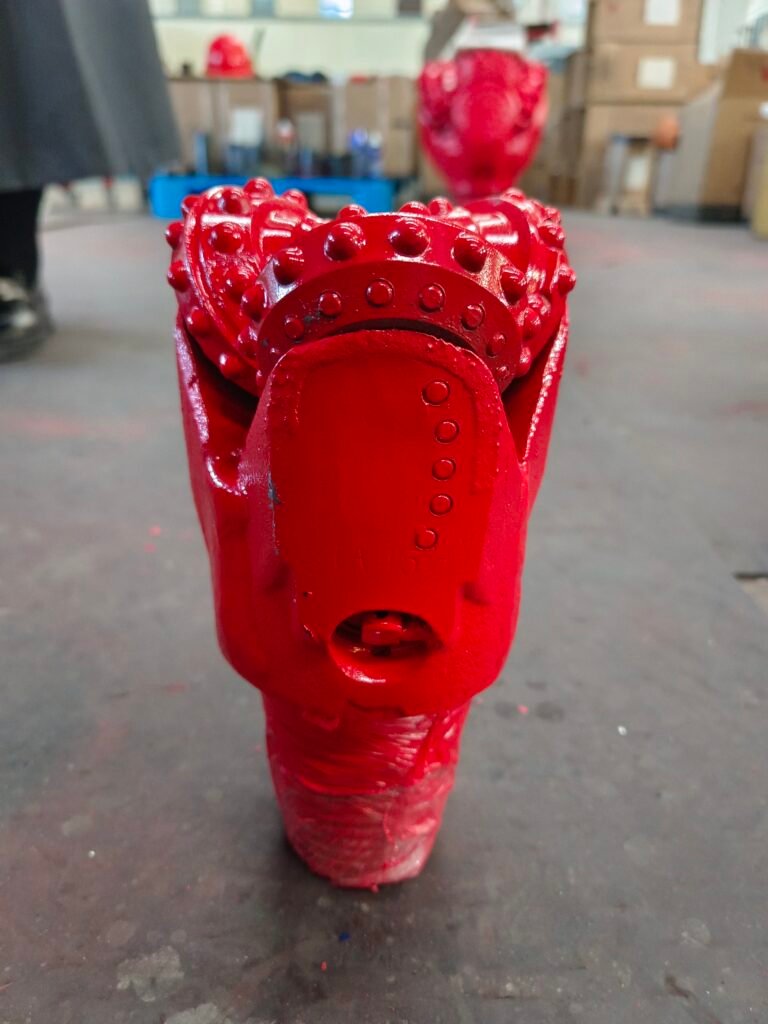
Why Tricone Bit Bearings Fail (and How to Prevent It)
Most tricone bits fail at the bearing, not the teeth. Four failure modes, what the pulled bit tells you, and t...
Read More →
How to Choose the Right IADC Code for Tricone Bits
IADC codes define formation, cutting structure and bearing. Read the three digits correctly and spec the right...
Read More →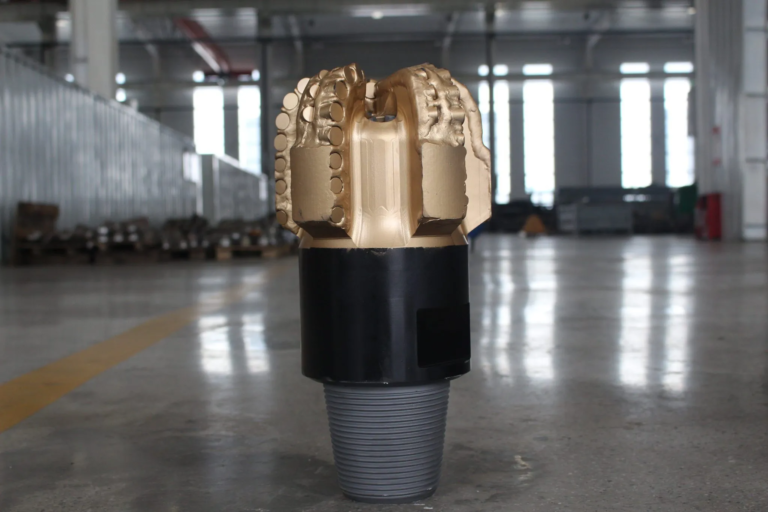
Gauge Wear and Under-Size Holes: Causes and Fixes
When a bit loses gauge the hole loses diameter, and the casing pays for it. Causes, measurement, prevention an...
Read More →