
Two PDC bits can carry identical cutters and still deliver different footage. The difference is the body: how it holds the cutters, how it resists erosion and what happens when the bit hits something the programme did not predict.
What the body actually does
Three jobs: position each cutter at the designed rake and exposure, channel drilling fluid across the face, and absorb impact without cracking. Matrix and steel solve those jobs in different ways, and the choice shows up in the failure mode, not the spec sheet.
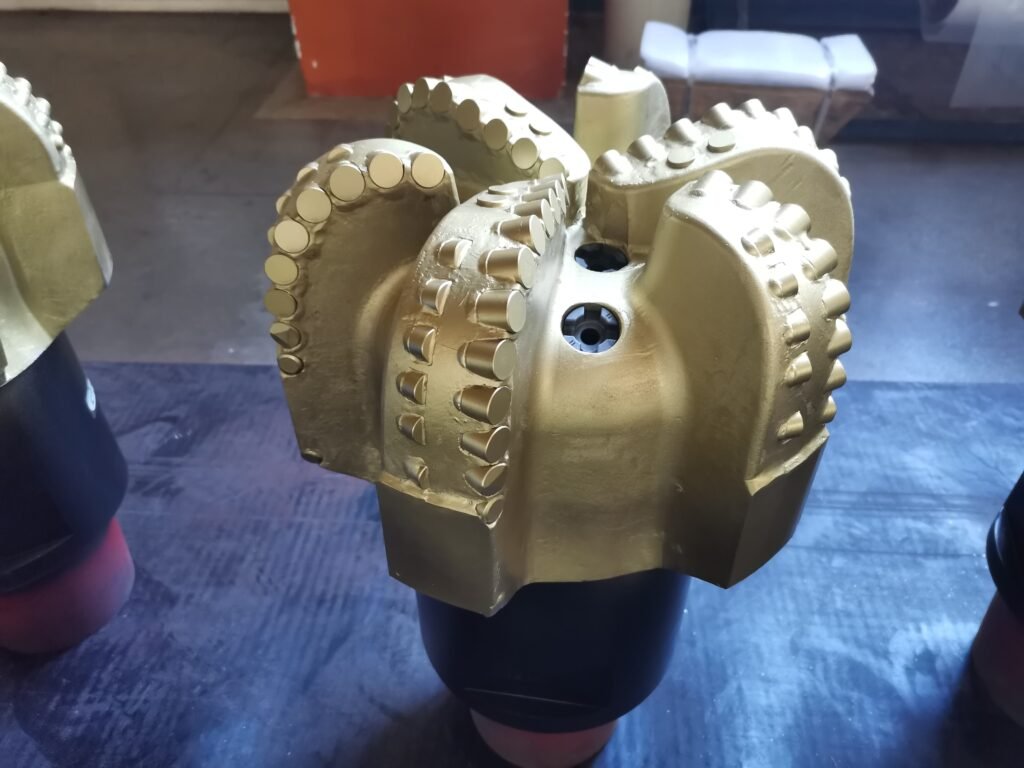
Matrix body
Matrix bits are cast from tungsten carbide powder infiltrated with a copper-nickel binder. The shell is hard, erosion-resistant and can be shaped into complex hydraulic passages that would be difficult to machine. In abrasive sandstone, matrix junk slots keep their profile after the cutters have worn; a steel body in the same hole may wash out first.
The trade-offs are real: matrix is heavier, more brittle under impact, slower to manufacture and harder to repair. A cracked matrix body is usually scrap, and a matrix bit ordered for a campaign can take weeks longer than a steel body.
Steel body
Steel bodies are machined from alloy bar, typically 4145H or 4340, then hardfaced around the blades and gauge. Steel bends before it breaks, which matters in interbedded ground, cobbles and broken limestone. It is lighter, cheaper, faster to deliver and can be rebuilt after wear.
The weakness is erosion. In high-flow, abrasive formations the junk slots and blade shoulders can wash away, and the hardfacing quality decides how long the body lasts. A cheap steel body with thin hardfacing is not the same tool as a properly finished one.
| Property | Matrix | Steel |
|---|---|---|
| Erosion resistance | High | Moderate |
| Impact toughness | Moderate | High |
| Repairability | Limited | Good |
| Weight | Higher | Lower |
| Lead time | Longer | Shorter |
| Relative cost | Higher | Lower |
| Best ground | Abrasive, homogeneous | Mixed or broken |
Match the body to the failure mode
Look at the last bit before ordering the next one. If the blades are polished, the cutters are worn flat and the body is intact, the ground is abrasive and matrix will earn its price. If the blades are cracked, cutters are missing or the shoulder is battered, steel will survive where matrix fails.
In water wells and geothermal work, steel is usually the practical choice: the ground is mixed, rigs are smaller, and a bit that can be repaired locally is worth more than one that lasts slightly longer but cannot be fixed.
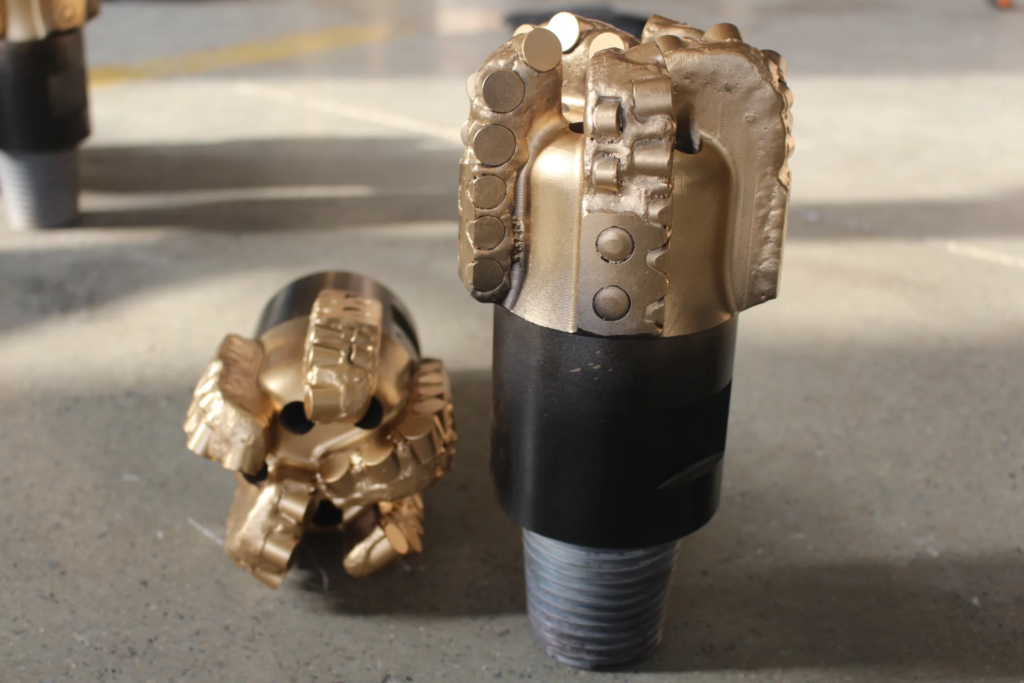
Cutter layout and junk slot area
Body material also sets how much room there is around the cutters. A five-blade bit with 16 mm cutters needs open junk slots; if the slots are narrow, the bit balls in sticky clay before the cutters are worn. Matrix can hold a more erosion-resistant slot shape, but it cannot make a narrow slot flow.
Ask for the junk slot area and the cutter count, not just the body type. Two bits with the same body material can behave differently if one was designed for high flow and the other for slow, heavy mud.
Where steel wins in practice
HDD and water well programmes rarely have homogeneous ground. A bit may cross clay, sand, gravel and broken limestone in a single run, and the impact from cobbles is harder on the body than the abrasion is on the cutters. Steel dents and keeps cutting; matrix chips and then cracks.
Repair is the second half of the argument. A steel body can be re-hardfaced and re-cuttered in a workshop; a matrix body usually has to go back to the factory, and a cracked one is scrap. On a site where the next hole is 200 m away, that difference decides the purchase as much as the price does.
Repair and total cost
Steel bodies can be re-machined, re-hardfaced and re-cuttered; matrix repair is usually limited to hardfacing and cutter replacement. Price the bit on cost per metre including repair, not on invoice price. A steel bit that drills 10% fewer metres but can be rebuilt twice often beats a matrix bit that is scrapped after one run.
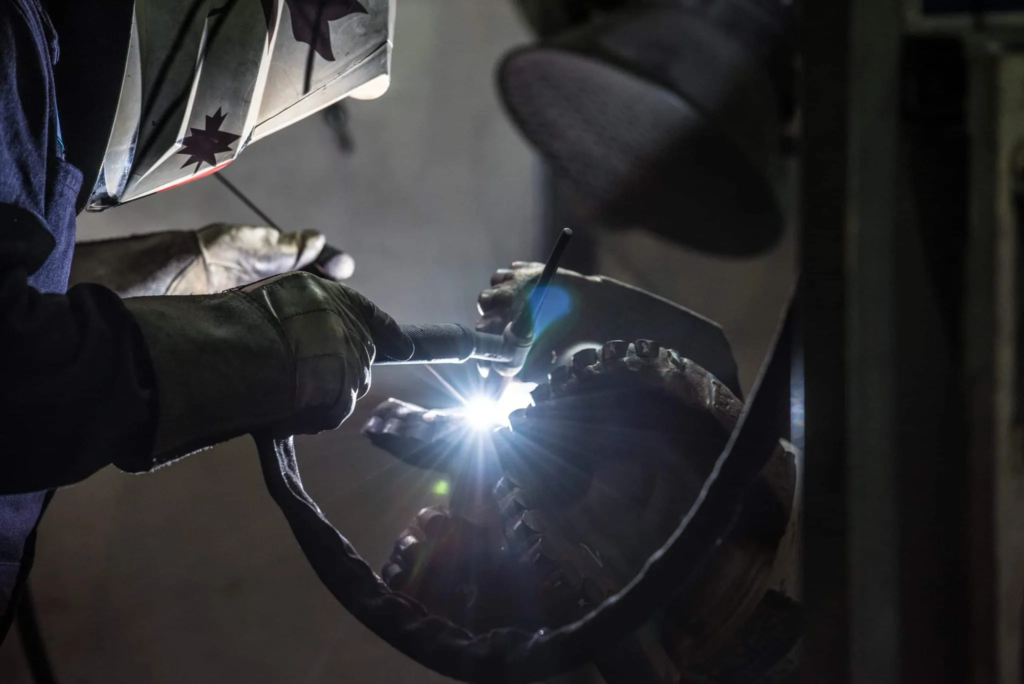
Buying checklist
- Body matched to the dominant failure mode, not the newest catalogue.
- Cutter size and count suited to the formation.
- Junk slot area adequate for the flow you can deliver.
- Hardfacing specified for abrasive ground.
- Repair route and lead time agreed before the order.
- Gauge protection matched to the hole size.
We build PDC bits in matrix and steel body designs, including concave PDC bits for centralised drilling. If you are still comparing bit types, the PDC vs tricone comparison covers the cutting action; this article is about the body that carries it.
Send your hole size, formation and rig details — we reply within 6 hours on working days.
Need Help Choosing?
Send your hole size, formation and rig details — we reply within 6 hours on working days.
Read More
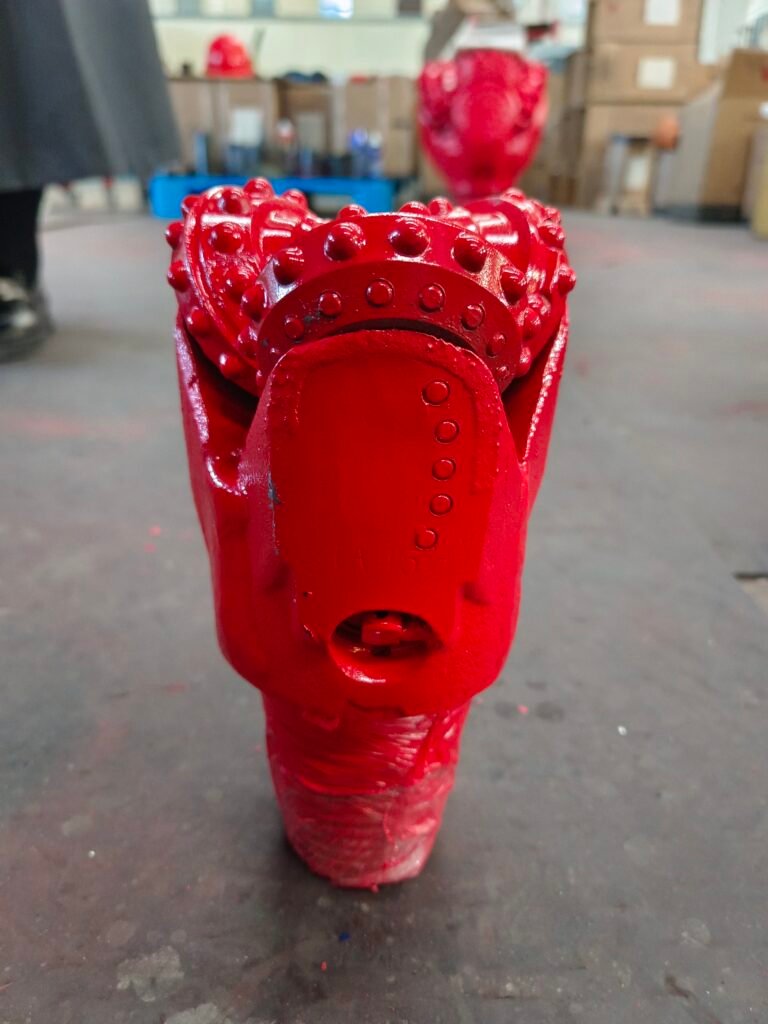
Why Tricone Bit Bearings Fail (and How to Prevent It)
Most tricone bits fail at the bearing, not the teeth. Four failure modes, what the pulled bit tells you, and t...
Read More →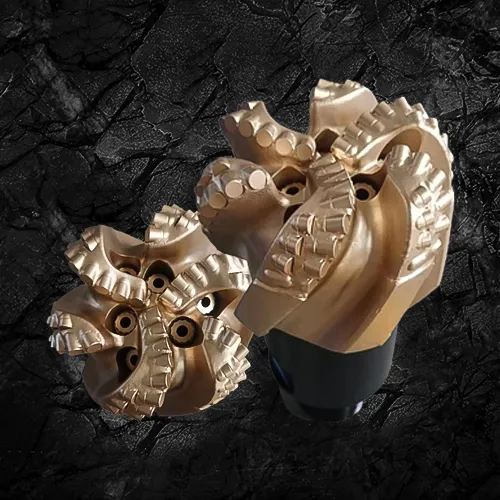
PDC vs Tricone Bits: Which One Should You Run?
PDC cuts faster, tricone survives tougher ground. A practical comparison of cutting action, cost per metre and...
Read More →
How to Choose the Right IADC Code for Tricone Bits
IADC codes define formation, cutting structure and bearing. Read the three digits correctly and spec the right...
Read More →